تواصلوا معنا

14 شارع الجولف ، سرايات المعادي

info@Tadwein.org

01200055721

Campaigns & Advocacy

“Do Women Survive?” Campaign

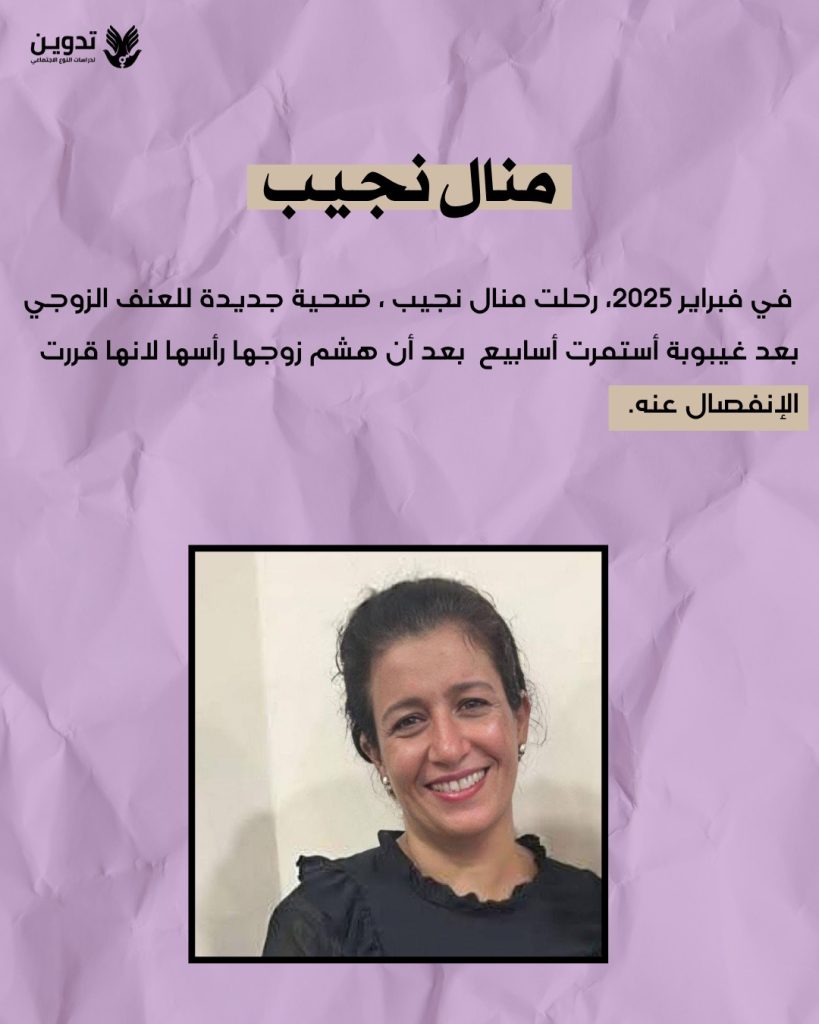
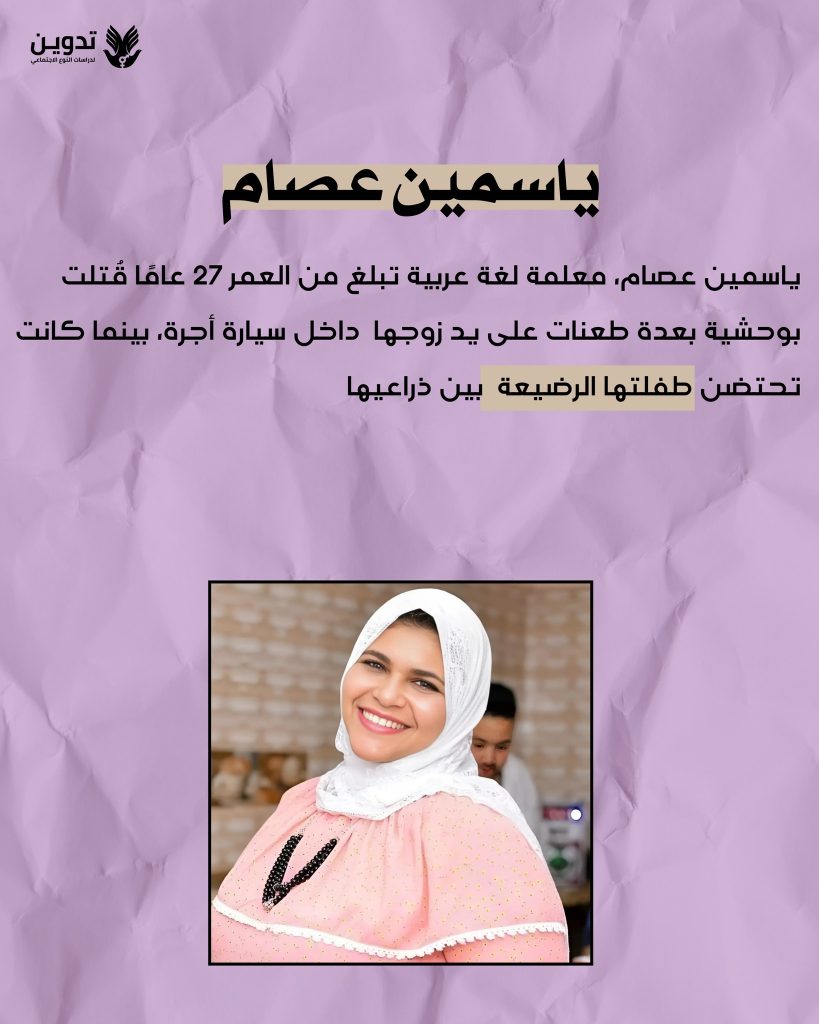
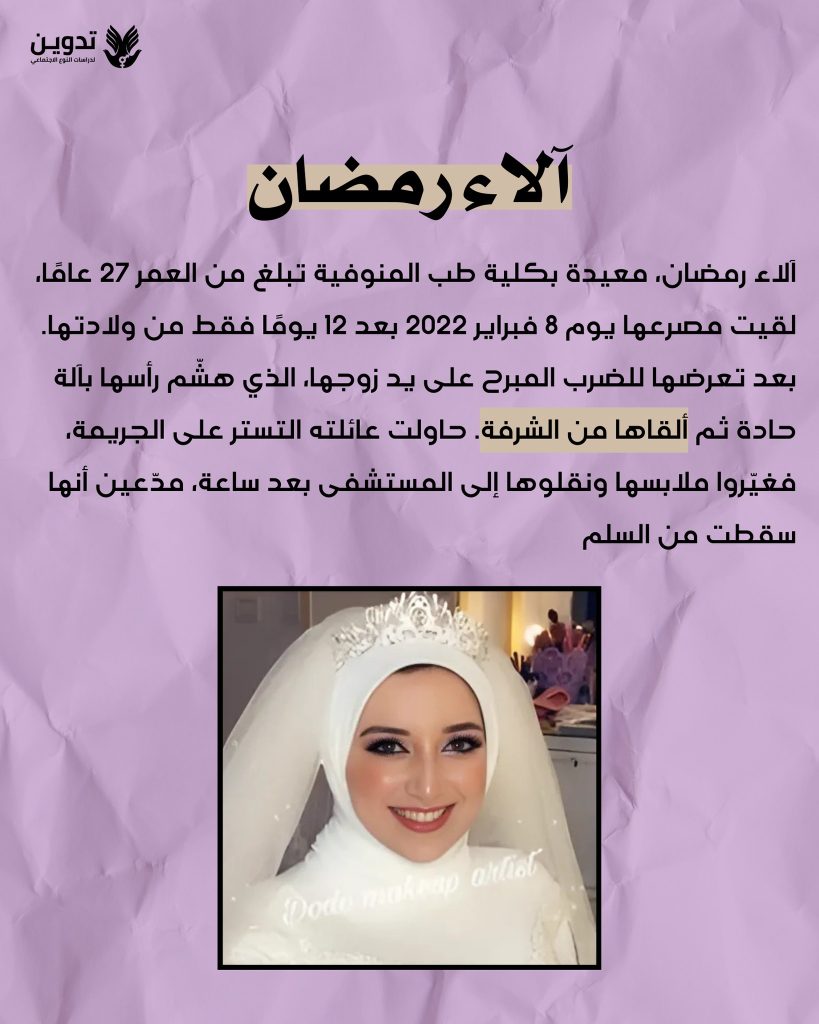
After the killing of Aya Adel, many asked whether she could have survived if she had refused the violence earlier, especially after testimonies emerged showing that her husband was abusive and frequently beat her.

But would her fate have been different if she had chosen to reject the violence or leave? The painful reality shows that it is not that simple.

When women make life-changing decisions such as divorcing or refusing abuse, that alone is not enough to guarantee their survival. Even after separation, many women remain at risk, and sometimes face even greater danger, as they may encounter retaliation or ongoing harm from their ex-husbands or families, which can escalate to murder.

This situation is primarily due to the absence of a true protection system for women. While laws exist to provide protection, their enforcement is often weak or slow, rendering them largely ineffective. How many times have restraining orders been issued, only for the woman to be killed anyway? How many times has a victim sought help and found no one to protect her?

For this reason, Tadwein for Gender Studies launched the campaign “Do Women Survive?” following the killing of Aya Adel, aiming to open a broader discussion about the fate of women who refuse violence.
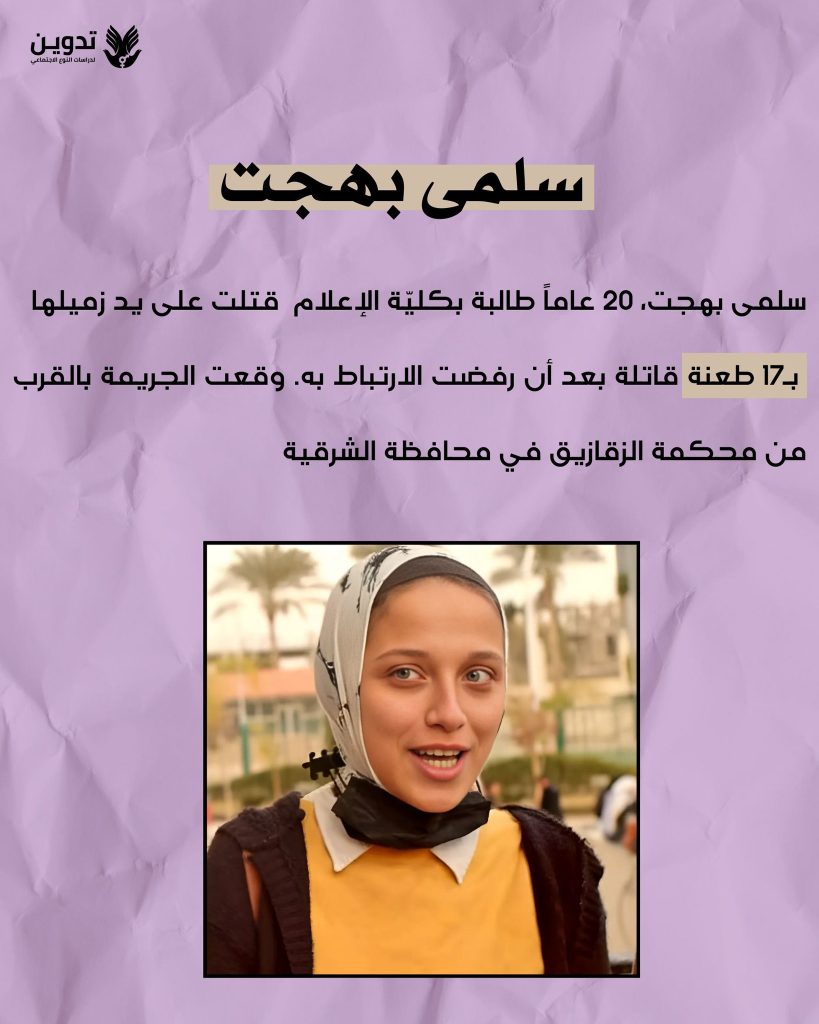
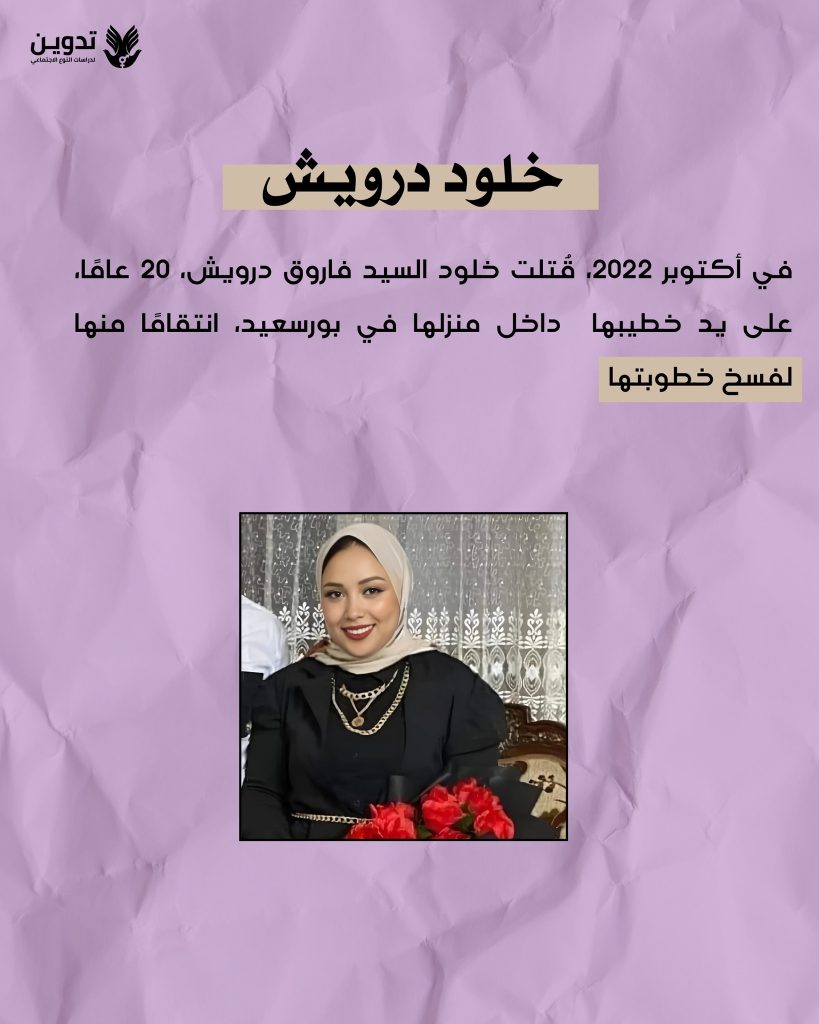
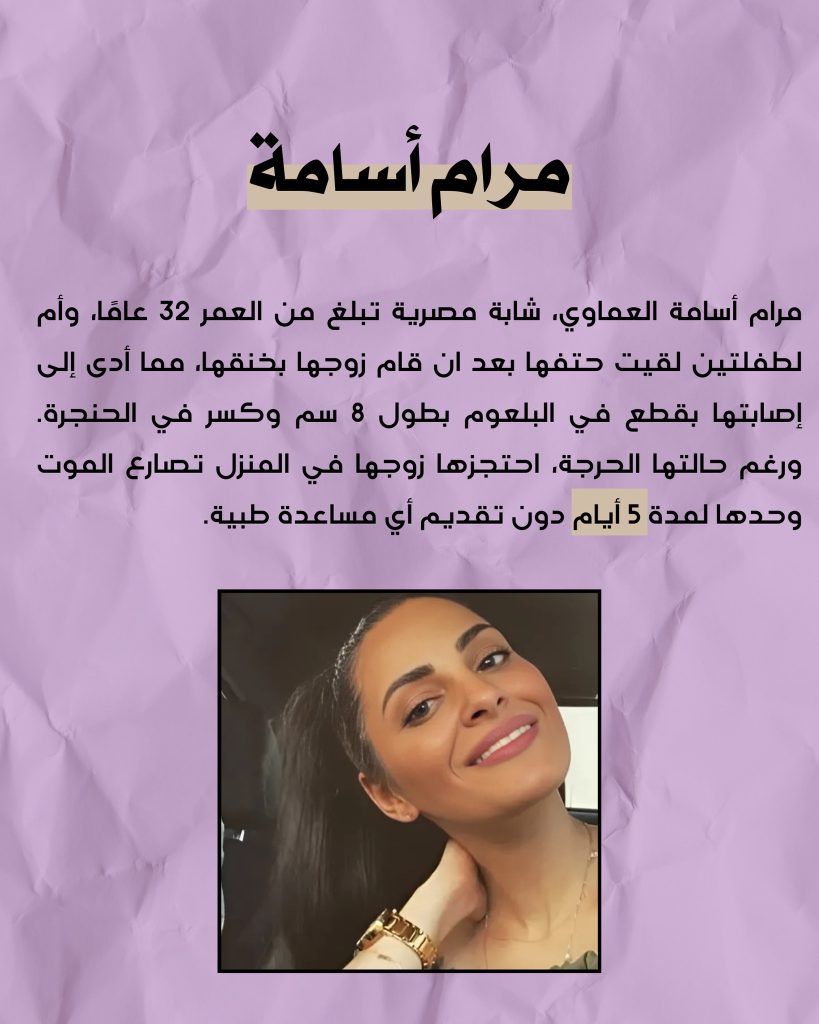
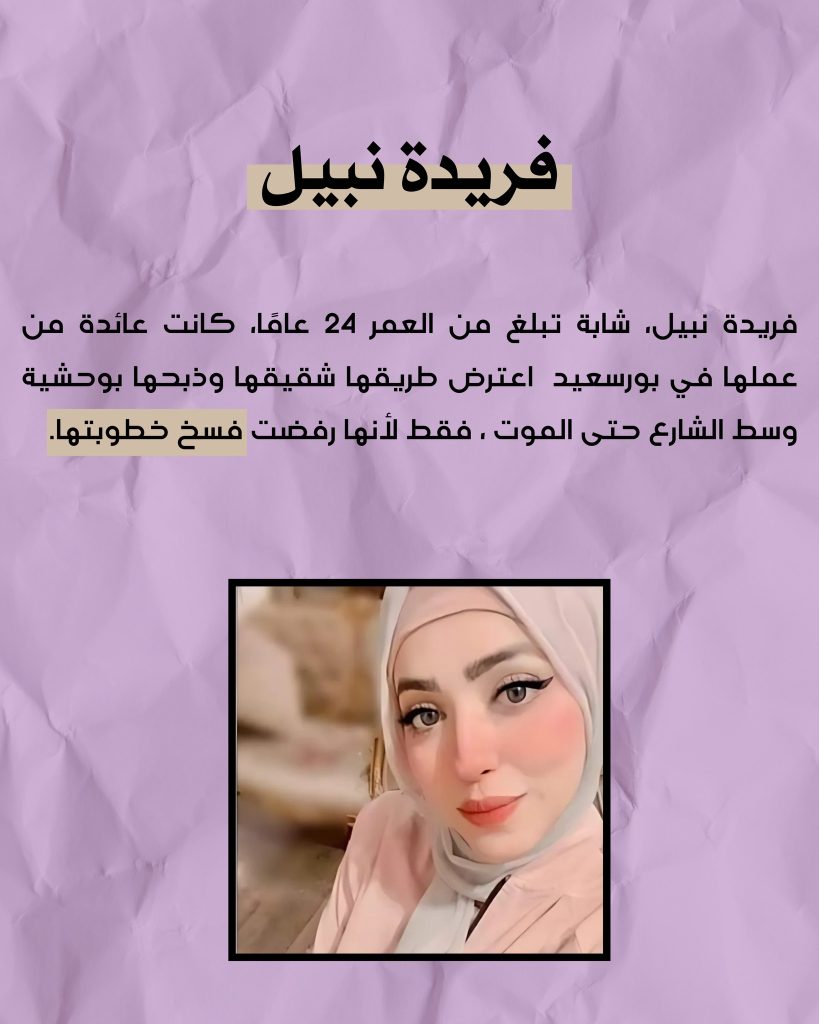
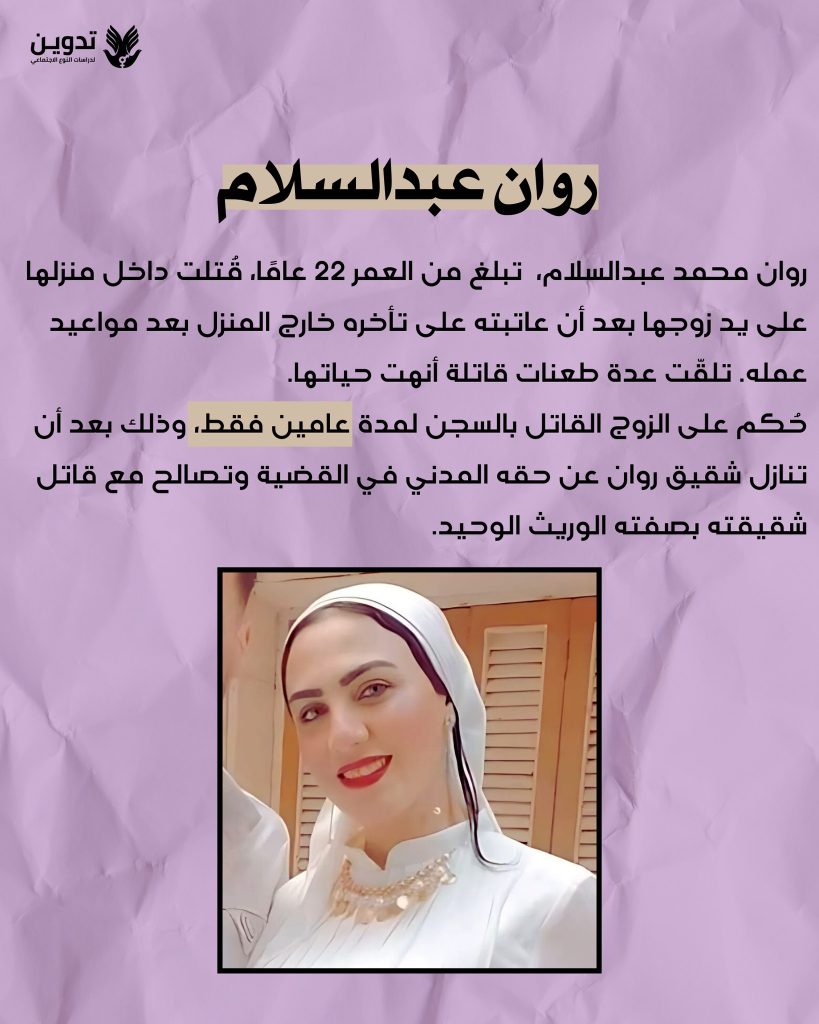
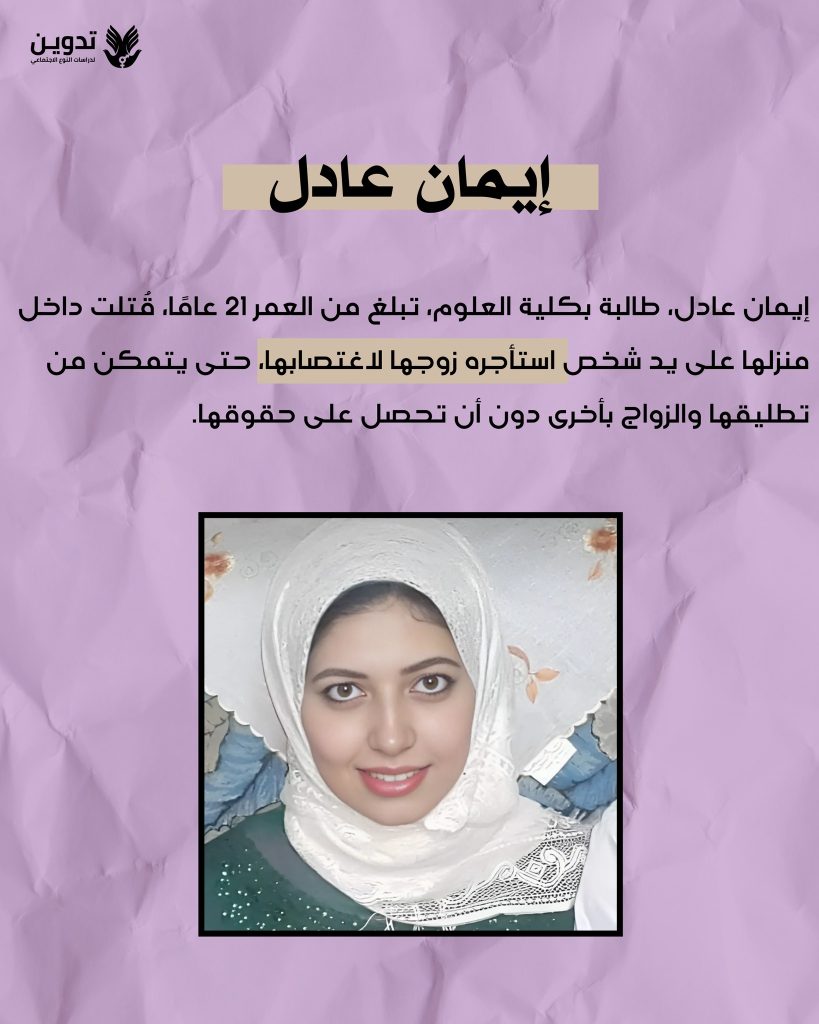
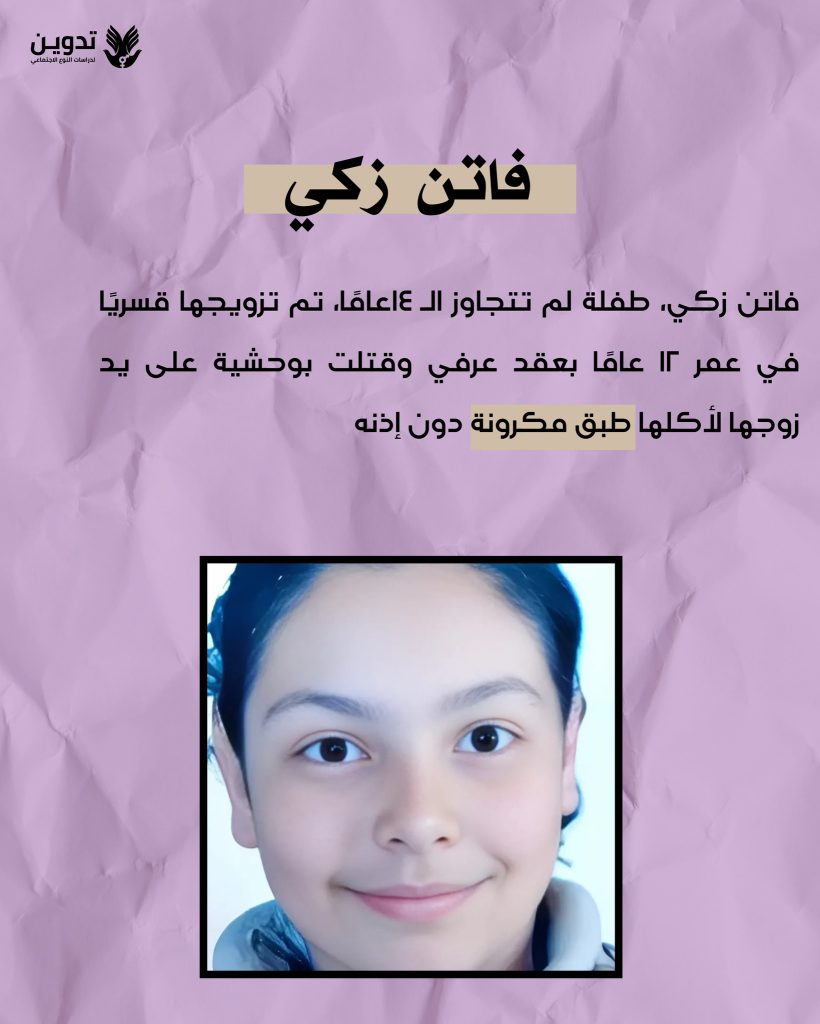
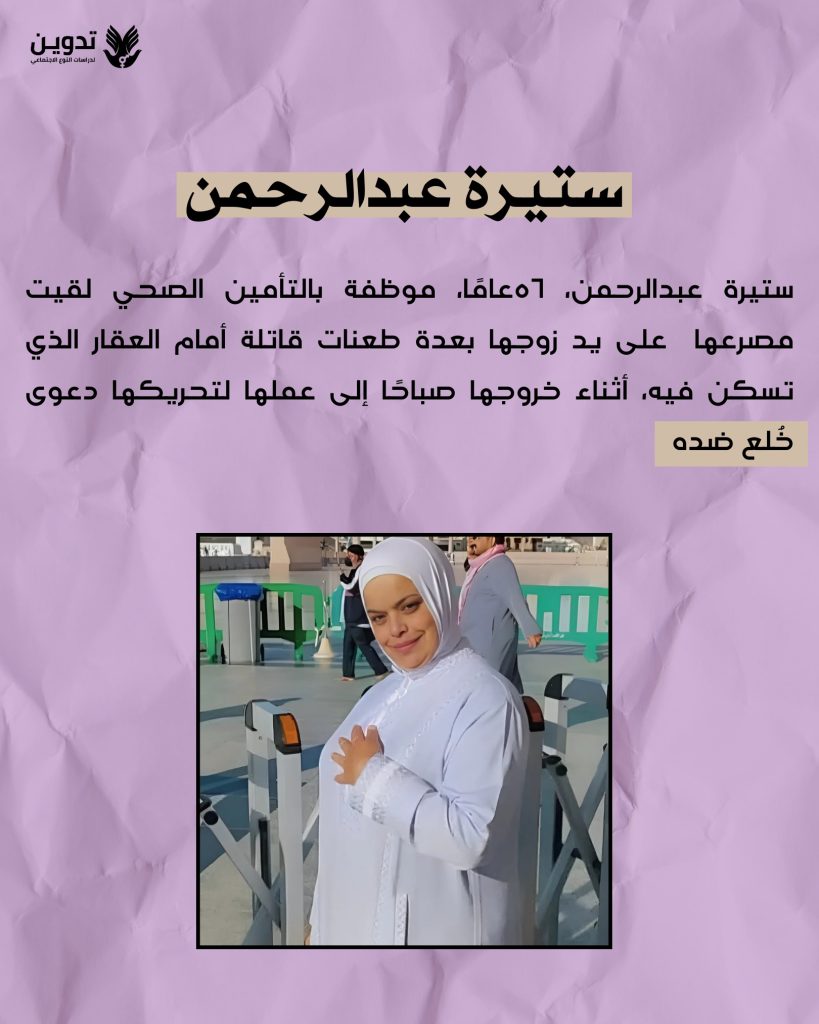
The campaign documents cases in recent years where women who tried to survive, some divorcing their husbands, others fleeing abusive homes, were still pursued by danger even after leaving.
Campaigns & AdvocacyأخبارناEnding Violence Against Girls and Women

“Summer without Scars” campaign

In Egypt, the summer holidays (July, August, September) are a period during which the rates of female circumcision increase significantly. Tadwein for Gender Studies had previously used the expression

hashtag
#Harvest_Season
in one of its campaigns to refer to this period, as families often exploit the school break to cut their daughters—claiming that they will have enough time to “heal” without their absence from school being noticed. However, circumcision is neither a medical procedure nor a cultural tradition; it is a crime and a violation of human and child rights according to all international conventions.
In this context, Tadwein for Gender Studies is launching the campaign “Summer without Scars” to raise awareness of the dangers of circumcision and work toward ending the practice. The campaign includes a number of activities.
First, we are organizing a series of community dialogue sessions in collaboration with our local partners or “community champions”—individuals we’ve trained and worked with on previous projects—to lead these discussions. We are also training new voices, helping them expand their skills, knowledge base, and capacity to design and implement projects that engage different segments of society.
Second, we are holding several mobile health caravans to ensure that rural and underserved areas have access to healthcare, while also providing an opportunity for medical experts to speak about the dangers of circumcision.
Finally, we are developing new ways of talking about circumcision that we hope will help protect a new generation of girls from this crime and allow them to enjoy a safe summer free from harm.

ProjectsأخبارناEnding Violence Against Girls and Women

Empowering Women and Girls to Combat Gender Based Violence in Ezbet Wehda El-Wataniyya

In February 2024, Tadwein Center for Gender Studies launched a new project to combat gender-based violence in Ezbet Wahda Wataniyya in ​​Zahraa El Maadi. 

Project objectives:

  • Provide information about and tools to respond to gender based violence for survivors and those most at risk for gender-based violence: women and girls.
  • Develop the capacity of local community based organizations to support women and girls and create larger changes in the community
  • Raise awareness of gender-based violence among the broader community and particularly men and boys.

Project activities:

  • Creating and meeting with a community committee from the area to learn about their needs and to discuss the form and substance of the project
  • Training with the community committee about gender-based violence and its prevalence 
  • Developing “community champions” or members of the community enthusiastic about learning more about gender-based violence and enhancing their communications skills and enhancing their leadership skills
  • Conducting a knowledge, attitudes, and practices to understand gender-based violence in Ezbet Wahda Wataniyya in coordination with the community champions who were trained in data collection and used this to communicate with a sample of 300 people in the area
  • Designing a map of community services and resources available in the area
  • Hosting two health caravans that served 420 children, women, and men that saw to a number of different health